




Put simply, mitigation is the work of holding damage to its current size. Do not confuse it with rebuilding. Mitigation covers the steps taken ahead of repairs so undamaged materials stay that way. In Lincoln, our team handles mitigation by controlling the source, removing the water, containing the wet area and stabilizing the structure. When this stage goes right, there is less to rebuild afterward, occasionally nothing at all.
Many homeowners treat restoration and mitigation as one and the same. In fact there are two separate stages. The emergency stage is mitigation, where we stop the loss, keep it from spreading and stabilize the house. Restoration is what comes after: drying is confirmed, and damaged drywall, flooring and finishes are repaired or rebuilt. Insurance companies also bill the two as separate line items, which makes it useful to know your current phase.
Four tasks make up most mitigation visits. First is source control, which keeps more water from coming in. Extraction, so standing water is gone. Third is containment, where controlled airflow and plastic barriers keep contaminants and moisture away from clean rooms. Four: stabilize by pulling materials beyond saving, applying antimicrobial to surfaces and setting up air movers plus dehumidifiers. Furniture and personal items are protected too, either relocated or raised on blocks.
Comparing DIY and Professional Water Damage Mitigation
Some simple tasks are suitable for DIY, but most water damage work benefits from professional tools, training, and experience. Consider the following comparison:
| Factor | DIY Approach | Professional Service |
|---|---|---|
| Knowing when it is dry | Assume a few days was enough | Each visit measured, not guessed |
| Isolating wet rooms | Shutting doors to the wet room | Plastic containment with managed airflow |
| Extraction | Mop, towels and a wet vac | Pumps and extractors clear bulk water |
| What stays or goes | Hoping wet materials recover | Keep or remove, based on moisture readings |
| Proof for insurer | Snapshots, no readings | Dated images and daily meter logs |
Ready to Solve Your Water Damage Mitigation Problem?
Get a free estimate from our expert team today.
Call (571) 657-6610 NowWhat a Professional Brings to Water Damage Mitigation
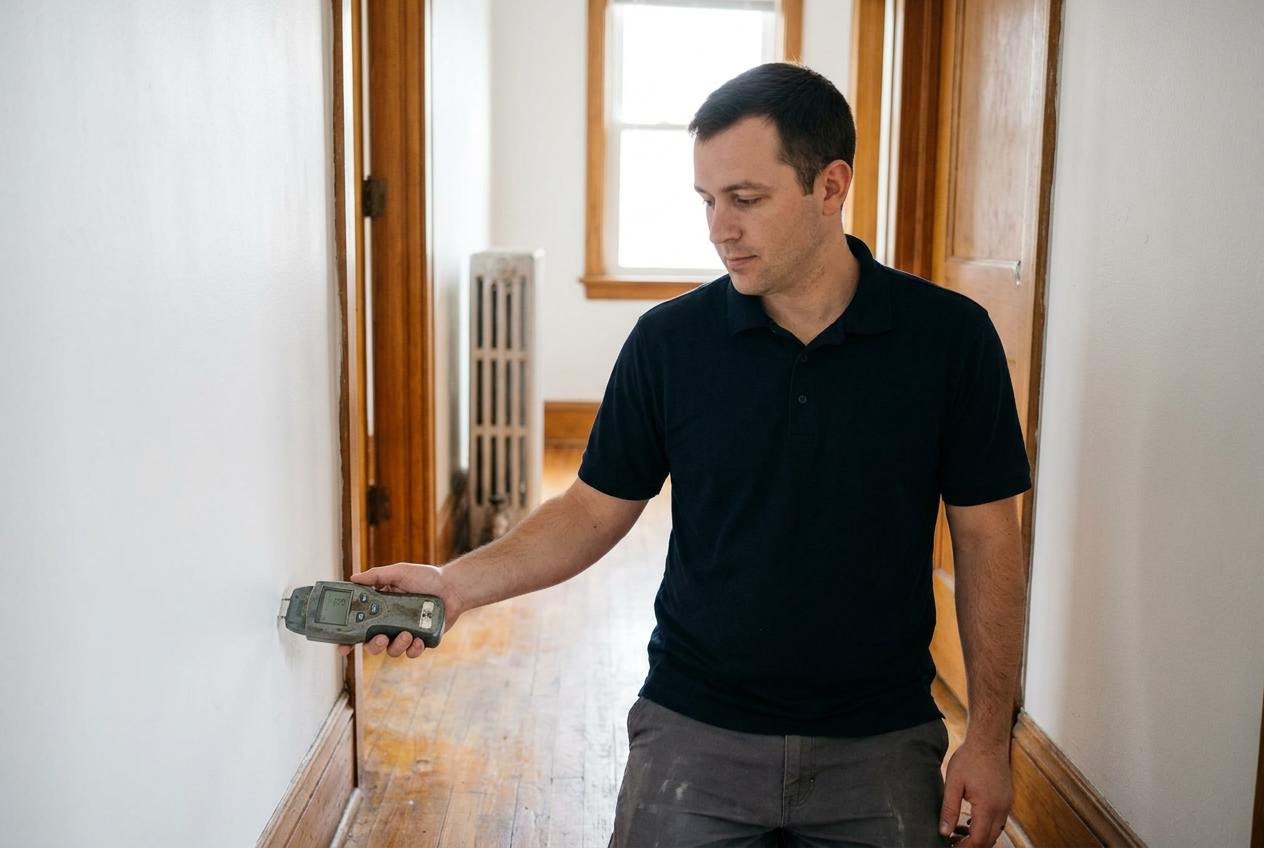
Doing mitigation well means making a string of quick judgment calls. Which drywall can be dried in place and which has to be cut out? Has the water shifted category since the leak started, and is it Category 1, 2 or 3 now? Is removing the cabinet toe kick necessary? Each decision rests on meter readings and our training, never on whether something seems dry to the eye or hand.
Good mitigation also protects your claim. Most policies require the owner to take reasonable steps to prevent further damage, and insurers want proof it was done. We photograph conditions on arrival, record moisture readings daily and keep a list of anything removed. Together those records show the water's effect and our response to it. It also gives the repair contractor a clear starting point, with no wet surprises behind new drywall.
Water Damage Mitigation: What Homeowners Ask
How Our Water Damage Mitigation Works
We follow a proven process to ensure every job is completed to the highest standards. Here's how we handle water damage mitigation from start to finish:
Control the Source
The supply gets shut off, the broken line capped, or the opening letting water in tarped and boarded. If a plumber or roofer is needed for the permanent fix, we coordinate the timing.
Remove Standing Water
Standing water is removed with pumps and extractors, and carpet and pad are checked. Fast removal of bulk water limits damage more than drying equipment could by itself.
Contain Wet Areas
Wet rooms are closed off from dry ones with barriers of plastic sheeting and controlled airflow. As a result, contaminants, dust and humid air stay put instead of spreading around the house mid-job.
Stabilize and Dry
Materials past saving come out, an antimicrobial is applied to surfaces, and air movers plus dehumidifiers go in. Each visit includes logged moisture readings, and the structure is usually ready for repair work within 3 to 5 days.
Questions About Water Damage Mitigation?
We provide honest advice and free estimates on all water damage mitigation work.
Get Help: (571) 657-6610Water Damage Mitigation Prevention Tips
Taking preventive measures can help you avoid costly water damage issues down the road. Follow these tips from our IICRC-certified technicians:
- Once a month, look beneath sinks and near toilets for stains, drips or soft spots in the floor.
- Install an automatic shutoff valve that closes the main when a leak is detected.
- Get the water heater checked every year, and replace it ahead of a tank failure.
- A main shutoff that will not turn is no help, so locate and test yours.
- Before heavy rain returns, caulk openings at doors, windows and roof penetrations.
- Slope the soil away from the house so rainwater does not pool against the walls.
Signs It Is Time for Water Damage Mitigation
Catching these issues early helps you avoid costly problems and protect your property. Here are the most common indicators that it's time to call a professional:
- After a leak, the baseboards have swollen or started separating from the wall.
- One day on, damp materials are beginning to smell musty.
- Carpet squishes underfoot, or the pad beneath it is saturated.
- Following a water loss, indoor air stays damp and condensation forms on the glass.
- An opening in the roof or at a window lets rainwater enter the building.
- Water went beneath kitchen or bath cabinets, out of reach of towels and fans.
- An adjuster or agent said you must reasonably limit additional damage.
Don't Wait Until It's an Emergency
What seems like a minor issue today can turn into a major expense tomorrow. If you notice any of these signs, contact Lincoln Restoration Co at (571) 657-6610 for a prompt evaluation.
Get Water Damage Mitigation Help Today
Don't let water damage problems get worse. Call Lincoln Restoration Co now for prompt, professional service.
Get Help: (571) 657-6610